A wet basement rarely starts with a dramatic gush of water. More often it creeps in quietly, a musty smell after a summer storm, a faint tide line behind storage shelves, a chalky bloom of efflorescence along a cold wall. In London, Ontario, that slow drip can turn into a real problem fast. Our weather swings from frozen ground in January to heavy spring thaws, followed by sudden thunderstorms that hammer down for twenty minutes but drop a month’s worth of rain. The Thames River rises and falls, and many neighbourhoods sit over dense clay that does not drain quickly. If your home’s exterior grading has settled, or if your weeping tile is original clay pipe from the 1950s, the recipe is set for a wet basement.
You do not need to panic. You do need to act with purpose. Water follows the path of least resistance, and so should your plan. The fixes that work in southwestern Ontario are well known. I have seen them succeed on bungalows in Byron, wartime houses in Old South, and newer builds in the city’s north end. The trick is to match the remedy to the source of moisture and to sequence the work so you stop the damage, dry the space, then build in protection against the next storm.
What a wet basement looks like in practice
Water shows itself in patterns. Stains that flare after rain and fade as things dry point to exterior infiltration. A ring of white powder near the base of a wall often marks evaporated mineral salts, a sign that moisture has been wicking through the concrete. Paint that peels in sheets suggests trapped moisture behind the coating. Brown blotches on ceiling tiles beneath a main floor bathroom might be a plumbing leak, not foundation trouble. Concrete block walls store water in the hollow cores and sometimes weep at the mortar joints long after a storm. Poured concrete walls, common in newer homes, tend to leak at tie-rod holes or hairline cracks.
London homes also see the effect of our soil. The city sits on a lot of clay and silt. Clay holds water like a sponge, then swells and shrinks with the seasons. That movement opens cracks and can push on foundation walls. If you notice a horizontal crack mid height on a block wall, especially paired with a slight inward bow, hydrostatic pressure is likely building in wet seasons.
Why London basements are vulnerable
Local conditions matter. In many postwar neighbourhoods, downspouts were tied into the sanitary system when the houses were built. Over the decades, many of those tie ins were removed to reduce strain on the sewers. That helps the city, but it puts more roof water into the soil around your foundation. If you do not have long downspout extensions, or if your yard has settled toward the house, that water heads straight for the basement.
The freeze thaw cycle is another culprit. Water gets into small flaws in the parging or foundation surface, freezes, expands, and opens the gap a hair more each time. After years of this, a harmless hairline can become a leak path. Combine that with a sump pump that only runs when you are home to test it, and the first hint of trouble shows up as a soaked carpet at the far corner of a finished rec room.
If you live near a tributary of the Thames or in a low spot with a high water table, baseline moisture can be present even in dry weather. foundation waterproofing london on You might not see standing water, just persistent humidity. That still invites mold, rusted appliances, and swollen flooring. Good basement waterproofing in London, Ontario must respect these ingredients, not fight them blindly.
If water is actively coming in, do this first
The first day sets the tone. Quick moves prevent small leaks from becoming full remodels.
- Unplug, lift, and move valuables off the floor. Use plastic totes or elevate furniture on blocks. Electricity and water do not mix, so switch off any circuits if outlets or cords are wet. Track the source in real time. Is it seeping at one crack, streaming through a window well, rising from a floor drain, or spreading under baseboards? Take clear photos and short videos. Get the water out and air moving. A wet vac is fine for small pools. For more than a few millimetres across a wide area, rent a portable pump, then run box fans and a dehumidifier set around 45 to 50 percent. Peel back finishes that trap moisture. Pull carpet and underpad in the affected area. For drywall, remove the baseboard and cut a small inspection opening. If insulation is wet, plan to remove it. Call your insurer before doing invasive work. In Canada, coverage often differs for sewer backup, overland flooding, and burst pipes. Adjusters want photos and a brief timeline.
These steps buy time and evidence. Contractors who handle basement waterproofing, foundation repair, and mold remediation will ask for this information. You will be able to describe exactly when the leak started, where you saw it, and how it behaved as the rain stopped or the ground dried.
Finding the real source, not just the wet spot
Diagnosing a wet basement in London starts outside. After a storm, walk the perimeter. If you see water dumping right beside the foundation from a short downspout, lengthen it. If there is a depression that funnels water toward a basement window, you have your first project. Window wells without proper drains often act like bathtubs. Leaves and silt clog the stone, and once the water level rises above the sill, it pours in behind the frame.
Inside, look for patterns that repeat. If a crack weeps for a day after each rain, that is likely lateral moisture through the wall. If the slab grows dark from a corner outwards long after a storm, that points to groundwater rising under the floor. Water that backs up through a floor drain during a downpour signals sewer or storm system overload. That last case is not a foundation failure. It is a plumbing and municipal capacity issue that calls for a backwater valve and sometimes separation work by a licensed plumber.
Age matters too. Homes from the 1920s to 1960s often have clay weeping tile. Over time it silted up or collapsed. Even if you inject a crack from inside, trapped water will seek another path unless the perimeter drainage is restored. Newer builds have plastic weeping tile and damp proofing, but settling and poor grading can overwhelm even good systems.
A moisture meter helps, but your senses are as useful. Touch the wall. Is it cool and damp far above the floor, or only wet at the base? Smell matters. Soil gas has a different odor than a musty carpet. Efflorescence means water has been passing through and evaporating, not necessarily that it is currently flooding. Learn the signs and you avoid chasing the wrong fix.
Exterior fixes that do more than cosmetics
I have seen homeowners spend thousands on interior sealants while the downspouts still dump water at the foundation. Start with the big levers. Clean the eavestroughs so they do not overflow in the first ten minutes of a storm. Extend downspouts a good three to six metres if you have the room. The cheap aluminum or plastic extensions with flip ends work, but buried solid pipe that daylight downhill is tidier and harder to knock off with a lawnmower.
Regrading the first two to three metres around the house to slope away at least 2 percent makes a measurable difference. Use clean fill topped with topsoil and seed or sod. Do not bury siding. Maintain a visible gap between soil and wood. Around concrete porches and driveways that have settled toward the house, consider slab jacking to restore pitch. In winter, prevent ice dams from pushing meltwater behind the wall by keeping roof edges clear and attic insulation balanced with ventilation. That is not a basement job, but it protects the foundation by keeping water where it belongs.
Window wells deserve proper stone and a drain. A small vertical pipe tied to the weeping tile is ideal. If you cannot tie in, keep the stone clean and the well cover tight. For below grade basement windows, tough polycarbonate covers reduce heavy splash and wind driven rain.
Exterior crack repair and wall waterproofing is the gold standard when the wall is accessible and the leak is localized. An excavation crew can dig down to the footing, clean the wall, inject or chisel out the crack, then apply a proper waterproof membrane. I prefer a multi layer system, a parge coat for a smooth surface, then a rubberized membrane, then a dimpled drainage board to protect it and guide water down to the weeping tile. Replace the old tile with perforated PVC wrapped in filter fabric, set in washed stone. It is disruptive and takes a few days per side of a house, but the result is long term. Plan it when the forecast is fair and be realistic about landscaping repair.
What interior waterproofing really does
Interior systems are not magic, but they are effective when groundwater is the main issue or when exterior excavation is impractical. An interior perimeter drain involves cutting a channel around the slab edge, placing perforated pipe along the footing, then tying it to a sump basin with a sealed lid. A dimpled membrane on the wall allows seepage to drain to the trench instead of blooming into the room. The slab edge is replaced and finished flush.
This does not stop water at the exterior wall. It manages it. That is an important distinction. Tidy contractors will explain that. The upside is cost and speed. The downside is that you rely on a sump pump, and if the power goes out during a storm, your basement stays dry only as long as your backup system holds.
Crack injection from the interior is a precise, affordable fix for a poured concrete wall with a defined leak. Epoxy locks a structural crack, while polyurethane foam finds the leak path and expands to seal. In block walls, injections are less reliable because water can move within the cores. In those cases, an interior membrane that channels water to the drain is smarter.
Dehumidification is the quiet partner to all of this. A properly sized unit, often 40 to 70 pints per day for a typical London basement, keeps relative humidity in the 45 to 50 percent range. That prevents condensation on cool walls in summer and keeps mold at bay. Tie the dehumidifier to a condensate pump or the sump for automatic drainage. Avoid venting to a floor drain that might connect to the sanitary line unless you have verified it is permitted.
Sump pumps that actually protect
A sump system is only as good as its weakest part. The pit should be big enough that the pump does not short cycle. The pump itself should be a quality cast iron or stainless unit, not the cheapest plastic pedestal model. A vertical float switch resists hang ups. Discharge lines must exit the house, remain sloped to drain, and stay well away from the foundation. In winter, allow for freeze protection with a slight downward pitch and an air gap or relief fitting to prevent back pressure.
Power outages happen in London during summer storms. A battery backup paired with a second pump is cheap insurance. Water powered backups that use municipal water are an option in some homes, but check your plumbing and local rules. Test the system a few times a year. Pour water into the pit until both the primary and backup kick on. Listen for odd noises and verify discharge outside.
Foundation types and targeted repairs
Not all foundations behave the same. Many homes in Old North, Woodfield, and SoHo have older block walls. They handle compressive loads well, but lateral pressure from saturated clay can bow them. Early signs include step cracks along the mortar, crusted white salts, and hairline horizontal lines mid height. Carbon fiber straps, anchored at the sill and the slab, can halt minor movement. For more pronounced bows, wall anchors or interior steel bracing come into play. A reputable foundation repair company in London, Ontario will measure deflection over a baseline to choose the right method.
Poured concrete walls dominate in newer suburbs. They leak at form ties or shrinkage cracks, both fixable with injections or localized exterior membranes. Severe movement is less common, but when it does occur, it often relates to poor drainage or under designed backfill. Stone or rubble foundations on the oldest houses require a different touch, usually focused on gentle exterior drainage, lime based mortars for repointing, and interior systems that relieve hydrostatic pressure without trying to make a century old wall perform like new concrete.
If you plan to finish the basement, get the structure right first. I have opened beautiful new rec rooms where the studs were rotting behind foil backed insulation because the wall still leaked at two corners. Good basement waterproofing in London, Ontario means timing the finish after the wet season has tested your repairs.
When full exterior waterproofing is worth it
There are times to go all in. If you have chronic seepage along an entire wall, visible deterioration of parging, or known failed weeping tile, excavation is the durable fix. Crews dig down to the footings, scrape the wall clean, fix defects, then apply a continuous waterproof layer and install new drain tile in clean stone with filter fabric. This approach also allows for thermal protection and insulation if you coordinate with energy upgrades.
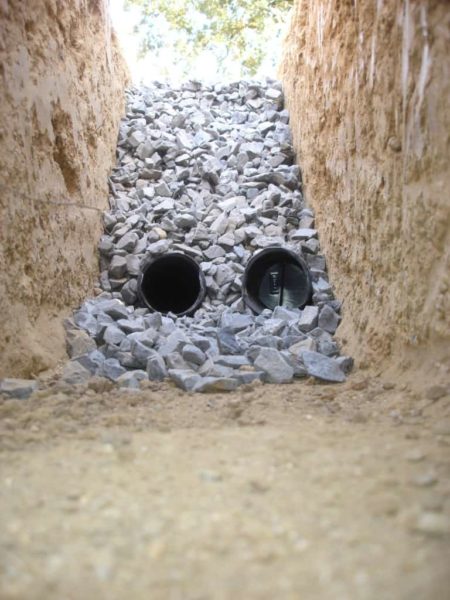
Expect several days per wall face, depending on access. Side yards can be tight in older parts of London. Plan for temporary fence removal, hand digging near utilities, and tree root work. You will live with piles of soil for a bit. The reward is a dry wall from the outside in and a perimeter drain that resets the clock for decades.
Costs vary widely, and every house is its own puzzle. Be cautious with anyone who quotes a firm number sight unseen. Reputable contractors walk you around the property, point out weak spots, and explain the sequence. They put the messy parts in writing, where the soil goes, what landscaping they repair, how they protect gas lines and AC units, and what happens if they uncover something unexpected.
Mold, finishes, and what to keep or toss
Water that sits for more than a day or two invites mold. Porous materials like carpet, underpad, and MDF baseboards rarely survive a real soak. Drywall can sometimes be saved if only the paper face got damp and you dry it wet basement london ontario quickly, but once the gypsum core is wet, replacement is safer. Cut back at least a few inches above the last visible water line to find clean, dry material.
Clean hard surfaces with a mild detergent, then dry thoroughly. Avoid soaking wood with bleach. It is not needed on cleanable materials and can worsen off gassing in a closed basement. A HEPA filter in your air scrubber or shop vacuum keeps fine dust and spores from recirculating. If you smell a wet, earthy odor weeks later, you missed moisture somewhere. Track it with a moisture meter or by opening small test sections at suspect spots.
Do not rush to repaint with waterproofing paint over a damp wall. Those coatings trap moisture. If the wall is cold and the interior air is humid, condensation can form and lift the paint again. Fix the source, dry the wall, then choose coatings that allow some vapor transmission or install a proper air space with dimple board behind your studs.
Insurance, permits, and what the city cares about
Policies vary, but most Canadian home insurance distinguishes between water that comes up from the drains, water that flows over land into window wells, and water from burst plumbing. Talk to your broker about add ons for sewer backup and overland water, and ask about limits. Document every incident with time stamped photos, and keep receipts for pumps, fans, and professional help. If you install a backwater valve, you may need a plumbing permit and inspection. Some municipalities offer rebates for flood prevention measures. Programs change, so check the City of London website or call before you assume coverage. Do not discharge a sump pump into the sanitary sewer. That practice is often prohibited because it overwhelms treatment systems during storms.
Choosing the right help for basement waterproofing and foundation repair
You can do a lot yourself. Still, for persistent wet basement problems in London, Ontario, professional basement waterproofing and foundation repair companies bring specialized tools and teams that do this daily. The trick is picking a crew that treats your house like a system, not a sales opportunity.
Ask for references from your part of town. Soil and drainage differ, and a company that has worked on your street has seen the same conditions. Verify liability insurance and WSIB coverage. Look for detailed proposals that describe the repair method, materials, and cleanup. Warranties that transfer to a new owner add value when you sell, but read what is covered. A warranty on a crack injection is not the same as one on a full wall membrane and new weeping tile.
Be wary of one size fits all pitches. Interior drains have their place, exterior membranes have theirs. There is no single answer for every wet basement. A good contractor will rank priorities, start with site water management outside, then move inside if groundwater or structure calls for it. If a salesperson refuses to talk about grading and downspouts, keep looking.
A short decision guide you can use today
- If water only appears during storms and you lack long downspout extensions, add them and regrade the first few metres from the house. Test through the next two heavy rains before doing bigger work. If a single, hairline crack in a poured wall weeps after rain, schedule an injection. It is usually a half day job with minimal disruption. If water rises from the floor or you hear your sump run constantly during wet weeks, plan for an interior perimeter drain with a sealed sump and a battery backup. If a block wall shows a horizontal crack and slight inward bow, get a foundation assessment. Stabilize first with carbon fiber or bracing, then handle drainage and grading outside. If water backs up through a floor drain in downpours, call a licensed plumber to discuss a backwater valve and to check for cross connections. That is not a crack problem.
Maintenance that keeps a dry basement dry
Once you have a handle on the big issues, make dryness a habit. Clean gutters in spring and fall. Walk the perimeter after major rains, looking for pooling. Test the sump in March and October by pouring in a few buckets. Replace the pump every 7 to 10 years, sooner if it runs hard. Keep window well stone clean. Store boxes on shelves, not floors. A simple humidity monitor on the wall costs little and tells you when to adjust the dehumidifier or add ventilation.
Pay attention to seasonal shifts. In deep winter, the ground is locked, and a sudden thaw with rain can overwhelm surface drainage while the soil is still frozen. That is when window wells and downspouts matter most. In summer, warm humid air rolling over a cool basement floor condenses and makes you think there is a leak. Close windows on muggy days, run the dehumidifier, and see if the mystery puddle vanishes.
The point of acting early
Every week I meet someone who wishes they had extended a downspout or fixed a small crack before finishing the basement. Water is patient. It will find weaknesses and nibble at them until a quiet nuisance turns into visible damage. The upside is that the most effective steps are not exotic. A smart sequence beats expensive guesswork. Start outside, manage surface water, test and maintain your sump, then target specific leaks with repairs matched to your foundation type. If excavation or interior drains make sense, pick a contractor who knows London’s soils and weather and who walks you through the trade offs.
A dry basement is not just about avoiding puddles. It protects your structure, your air quality, and the value of your biggest asset. Done right, basement waterproofing in London, Ontario pays for itself in peace of mind the next time dark clouds roll in from the west. And the time after that.
Ashworth Drainage — Business Info (NAP)
Name: Ashworth DrainageAddress: 514 Hale St, London, ON N5W 1G8
Phone: (519) 660-9375
Website: https://www.ashworthdrainage.ca/
Email: [email protected]
Hours:
Monday: 9:00 AM – 5:00 PM
Tuesday: 9:00 AM – 5:00 PM
Wednesday: 9:00 AM – 5:00 PM
Thursday: 9:00 AM – 5:00 PM
Friday: 9:00 AM – 5:00 PM
Saturday: Closed
Sunday: Closed
Open-location code (Plus Code): XRR3+HV London, Ontario
Map/listing URL: https://maps.app.goo.gl/9kaoXAxRtJRP1ThS9
Embed iframe:
Socials (canonical https URLs):
Facebook: https://www.facebook.com/ashworthdrainage/
X: https://twitter.com/ashworthrules
Instagram: https://www.instagram.com/ashworthdrainage/
https://www.ashworthdrainage.ca/
Ashworth Drainage provides basement waterproofing and foundation repair services in London, Ontario and surrounding areas in Southwestern Ontario.
The company helps homeowners address wet basements, water intrusion, and drainage issues with solutions that fit the property’s conditions.
Service requests can include foundation repair, waterproofing options, sump pump and drainage-related work, and related assessments.
Ashworth Drainage is based at 514 Hale St, London, ON N5W 1G8.
To reach the team, call (519) 660-9375 or email [email protected].
Business hours are Monday to Friday 9:00 AM–5:00 PM, with the office closed Saturday and Sunday.
For directions and listing details, use the map listing: https://maps.app.goo.gl/9kaoXAxRtJRP1ThS9.
Popular Questions About Ashworth Drainage
What does basement waterproofing help prevent?Basement waterproofing is intended to reduce water intrusion and moisture problems that can lead to dampness, leaks, odors, and damage over time.
How do I know if I may need foundation repair?
Common signs can include visible cracks, water seepage, shifting or uneven areas, or recurring moisture problems; an on-site assessment is usually the best way to confirm causes and options.
What areas does Ashworth Drainage serve?
Ashworth Drainage serves London, Ontario and surrounding areas in Southwestern Ontario.
What are Ashworth Drainage’s hours?
Monday–Friday 9:00 AM–5:00 PM; Saturday closed; Sunday closed.
How can I contact Ashworth Drainage?
Phone: +1-519-660-9375
Email: [email protected]
Website: https://www.ashworthdrainage.ca/
Map: https://maps.app.goo.gl/9kaoXAxRtJRP1ThS9
Facebook: https://www.facebook.com/ashworthdrainage/
X: https://twitter.com/ashworthrules
Instagram: https://www.instagram.com/ashworthdrainage/
Landmarks Near London, ON
1) Kiwanis Park2) Western Fair District
3) Covent Garden Market
4) Victoria Park
5) Budweiser Gardens
6) Museum London
7) Fanshawe Conservation Area